

Coppe researchers create intelligent system to monitor streets, buildings and public equipment
Planeta COPPE / AI and Digital Transformation / Electrical Engineering / News
Date: 24/10/2025
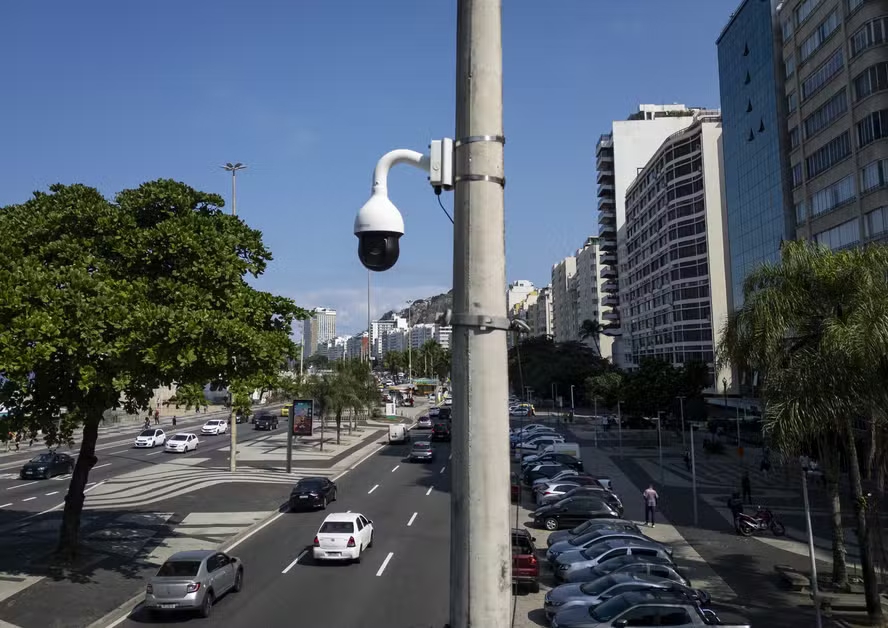
Technology developed by the Teleinformatics and Automation Group (GTA) from Coppe and the Polytechnic School of UFRJ has been used since June 2024 to monitor ocean waves from Leblon to Barra da Tijuca, alerting users when there is a risk of them reaching the Tim Maia bike path. Named GuardAI, the technology is designed to detect anomalies using computer vision and artificial intelligence. Now, its functionalities are being expanded to verify irregular occurrences on urban roads, and are being tested at UFRJ’s Science Park.
To perform the monitoring, GuardAI uses the surveillance camera systems already installed at the locations. Professor Rodrigo de Souza Couto, from Coppe’s Electrical Engineering Program (PEE) and coordinator of the project, explains that a city has a huge number of these cameras, but there aren’t enough people to analyze all the generated images in real time. Because of this, some situations end up going unnoticed, which wouldn’t happen with the implementation of the GuardAI system, since it immediately receives and processes surveillance camera videos using AI and computer vision techniques, and sends alerts to smartphones.
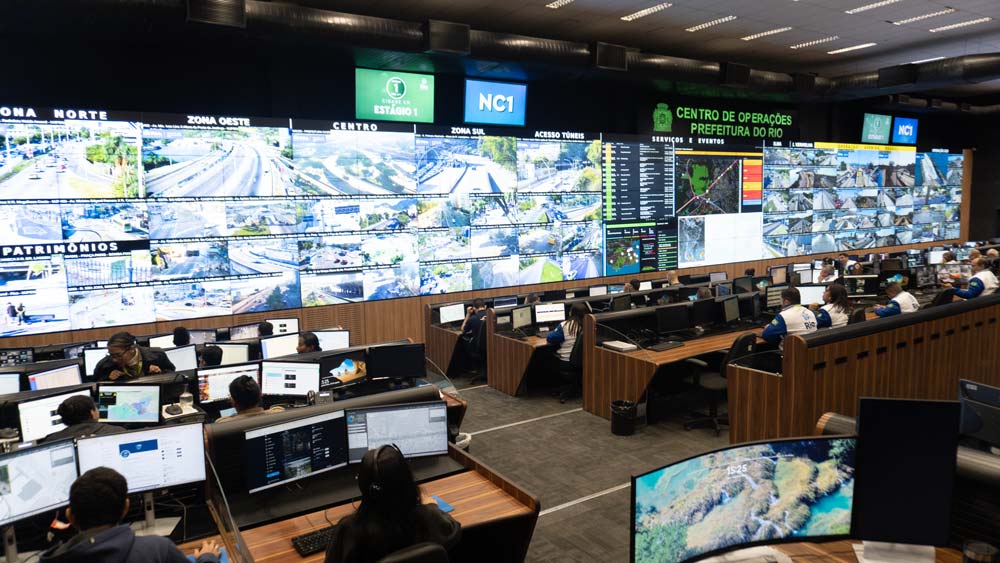
“Artificial Intelligence systems are increasingly necessary to detect anomalous events and alert the security team. Since the techniques currently available on the market are not adapted and do not meet the specific needs of smart buildings and cities, that is where our solution comes in,” assures Rodrigo Couto, from Coppe’s GTA.
According to the professor, the client provides a server for processing, which can be in the cloud, and a link to the cameras already existing on site. From there, the system developed by the GTA is integrated with the cameras to process the video images, according to the occurrences that the client is interested in. The client will also have access to a group on Telegram to receive alerts along with their employees.
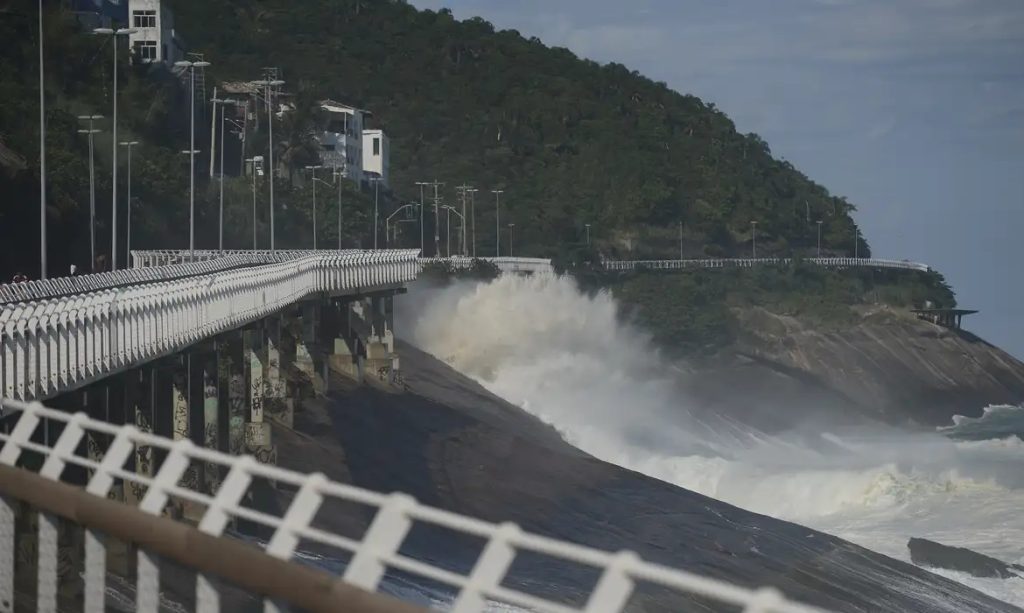
The system was created during a project developed in partnership with the National Education and Research Network (RNP) to assist in the security of universities that have many cameras spread across campus. Once connected to these cameras, the system sends alerts about occurrences of interest, such as people entering certain locations outside of permitted hours or vehicles parked irregularly or in prohibited locations, as is the case with the Science Park. In addition, there are other forms of monitoring, such as the risk of ocean waves reaching the bike path, a result of a study by student Pedro Videira Rubinstein, from the Polytechnic School of UFRJ, supervised by Professor Luís Henrique Costa, from PEE/Coppe.
Rodrigo says that the technology being developed is constantly evolving, with the group paying close attention to the electronic surveillance market, which generated R$ 12 billion in Brazil in 2023, according to data from the Brazilian Association of Electronic Security Systems Companies (Abese). GuardAI is ready and constantly being improved, suitable for implementation in interested institutions.
