

Coppe startup transforms bean waste into gastronomic opportunities
Planeta COPPE / Business Incubator / Innovation Ecosystem / News
Date: 29/09/2025
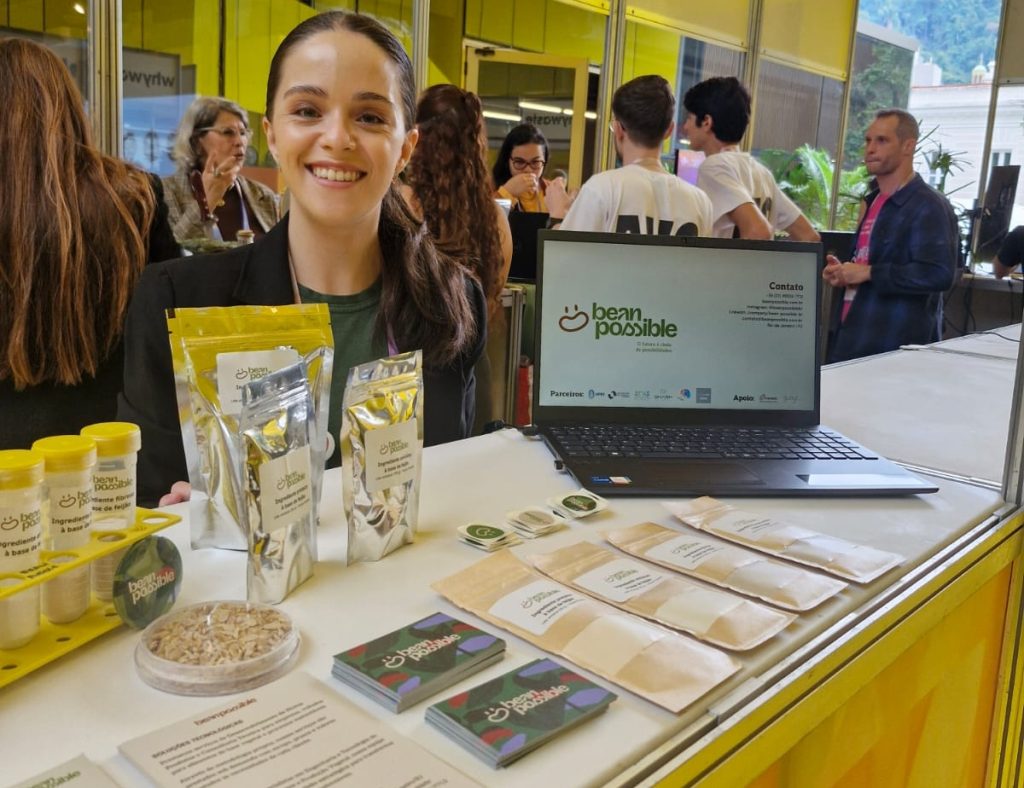
Whether eaten alone, with bread, rice, flour or even pasta, beans are on Brazilian families’ tables, an essential part of their diet and a hallmark of our culture. It’s no coincidence that Brazil is one of the world’s largest bean producers, with approximately 3 million tons per year. However, what’s surprising is that approximately 300,000 tons—10% of total production—are wasted annually, either because the beans are broken or irregularly sized, making their use by the industry unfeasible.
What would otherwise be a waste becomes a great opportunity, especially when new technologies make it possible to transform every grain of bean that would otherwise be wasted into a source of food and innovation.
That’s exactly what Bean Possible, a startup resident at Coppe/UFRJ’s Business Incubator, does. The company, a spin-off of the Biological Systems Engineering Laboratory at UFRJ’s School of Chemistry, has developed a pioneering process for utilizing discarded or low-value beans and transforming them into sustainable, plant-based food ingredients, with applications ranging from meat and dairy analogues to confectionery, bakery and supplement products. All while maintaining the nutritional value of the whole bean.
According to Gabrielle Gautério, cofounder and CEO, “the technology developed by Bean Possible allows us to harness this underutilized raw material, producing high-value-added national ingredients for a variety of foods and beverages, replacing imported inputs, reducing costs and simplifying logistics. It also brings environmental benefits by reducing waste and greenhouse gas emissions.”
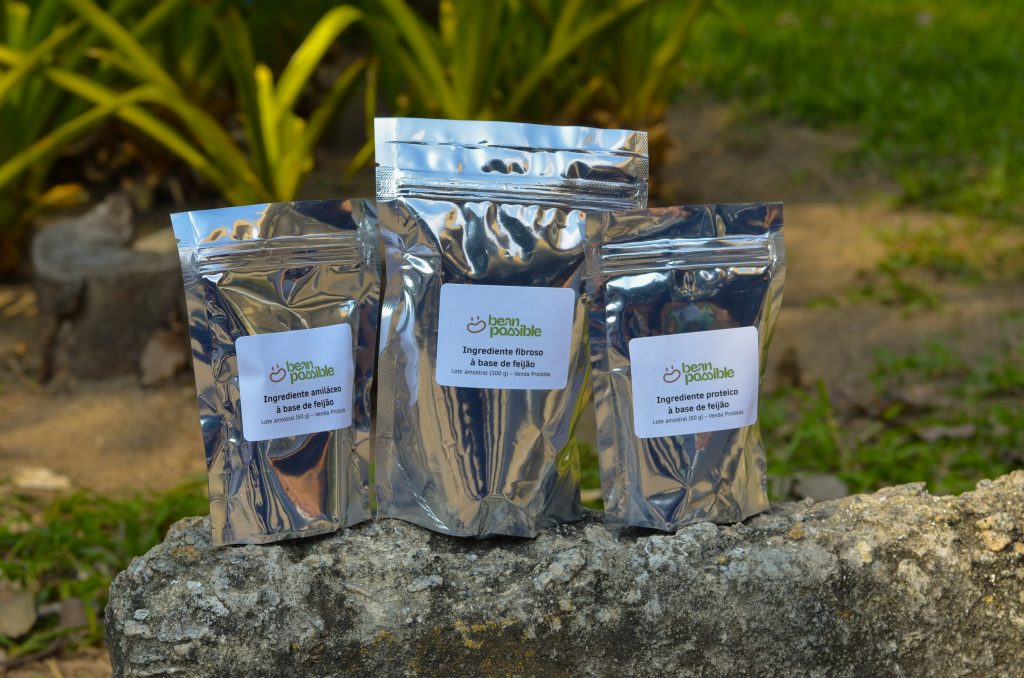
Bean Possible currently supplies three main ingredients to food and beverage companies: concentrated protein, insoluble fiber, and bean starch. Each ingredient has specific functions:
- Insoluble fiber: improves texture, maintains moisture, increases satiety and can promote intestinal health;
- Concentrated protein: increases protein and amino acid content, also contributing to the product’s structure and texture, with the ability to form emulsions, foams and gels;
- Starch: acts as a binding and bulking agent, gelling agent and thickener in plant-based formulations, in addition to providing gradual-release energy.

In addition to being sustainable, these ingredients have functionalities that allow them to be incorporated into different formulations, such as vegan burgers, sausages and meatballs; plant-based yogurts and cheeses; cookies, breads, cakes, ice cream and a multitude of other products.
Carioca beans were chosen as the base because they are the most widely grown in Brazil and have excellent nutritional quality. “During the production process, the beans are transformed into flour and undergo the application of developed technology, which separates their main components to obtain the ingredients,” explains Ailton Lemes, who is also a co-founder of Bean Possible. By combining tradition and innovation, Bean Possible demonstrates that it is possible to generate value from what would otherwise be discarded, paving the way for a more sustainable, diverse and plant-based diet.
